


多电源(多种电池)储能的EMS智慧管理场景
多电池协同控制
Multi-Battery Cooperative Control
1、协同控制策略:
Cooperative Control Strategy
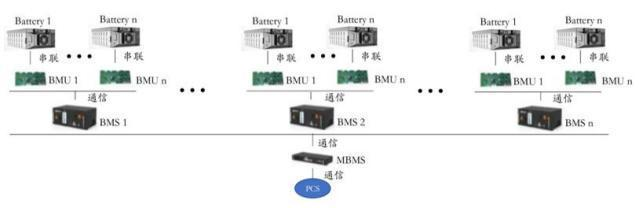
开发针对多个电池的协同控制策略, 以确保它们之间的合作和互补。 这包括动态均衡控制、负载分配控制等, 以最大化能量利用率并减少电池之间的不平衡。
Develop cooperative control strategies for multiple batteries to realize coordination and complementation among them. It includes dynamic equalization control and load distribution control, aiming to maximize energy utilization efficiency and reduce imbalance between batteries.
2、智能切换机制:
Intelligent Switching Mechanism
设计智能切换机制,根据当前负载需求和电池状态自动切换电池组合, 以确保系统能够灵活适应不同场景下的需求。
Design an intelligent switching mechanism to automatically switch battery combinations according to real-time load demand and battery status, ensuring the system flexibly adapts to the demands of different application scenarios.
电池优先级管理
Battery Priority Management
1、确定优先级:
Priority Definition
根据电池的类型、性能特点和应用场景确定优先级。
Set battery priority levels based on battery types, performance characteristics and application scenarios.
2、动态调整优先级:
Dynamic Priority Adjustment
在充放电过程中优先考虑具有更高优先级的电池, 以满足项目的最优用电需求或最大程度地降低能源成本。
Give priority to batteries with higher priority during charging and discharging, so as to meet the optimal power demand of the project or minimize energy costs.
智能充放电调度
Intelligent Charge-Discharge Scheduling
1、动态调度算法:
Dynamic Scheduling Algorithm
设计动态调度算法,根据负载需求、电池状态和电网条件等因素,实现对充放电过程的智能调度, 以最大化系统效率和稳定性。
Design a dynamic scheduling algorithm to intelligently schedule the charging and discharging process according to load demand, battery status, grid conditions and other factors, so as to maximize system efficiency and stability.
2、优化控制策略:
Optimized Control Strategy
结合预测分析技术,预测未来负载需求和电网条件,优化充放电策略, 以应对未来可能出现的变化。
Combined with predictive analysis technology, forecast future load demand and grid conditions, and optimize charge-discharge strategies to cope with possible future changes.